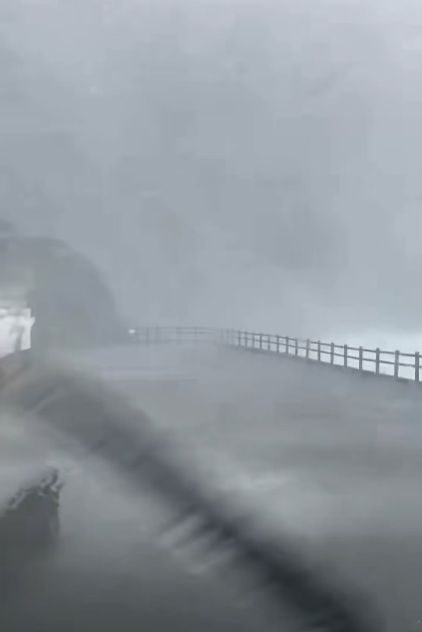
KAMAKURA — Massive sea swells and driving rain lashed the coastal city of Kamakura in Kanagawa Prefecture as Typhoon Dujuan swept along Japan’s eastern coastline, triggering high-surf advisories and coastal flooding concerns across the Sagami Bay region.
Video footage shared by social media users captures gale-force winds driving heavy spray and ocean swells over coastal retaining walls, obscuring visibility along prime coastal thoroughfares.
Heavy Seas Lash Sagami Bay
Kamakura, located south of Tokyo along the Sagami Bay coast in Kanagawa, faced intense coastal conditions as Typhoon Dujuan passed nearby. Pounding wave surges broke over beachfront barriers, washing onto adjacent roads and forcing local authorities to restrict traffic along exposed coastal routes.
Municipal disaster teams in Kanagawa remain on alert for potential seawall erosion, storm surge flooding, and localized landslides triggered by the combination of high tides and saturated ground.
Widespread Regional Disruptions
The severe weather in Kamakura is part of the broader impact of Typhoon Dujuan across the Kanto region, which has caused heavy rainfall, landslides, and flooding throughout Kanagawa and Chiba prefectures. Transportation networks, including coastal train lines and regional expressways, experienced significant delays and precautionary suspensions while the storm passed offshore.
Local emergency management agencies continue to urge residents and tourists to avoid sea walls, beaches, and low-lying coastal roads until high-wave warnings and surge risks subside.
Source: Video footage and eyewitness storm reports sourced via Go Japan – Olachill Facebook video, corroborated by Japanese meteorological advisories.
— The Malaysia Times